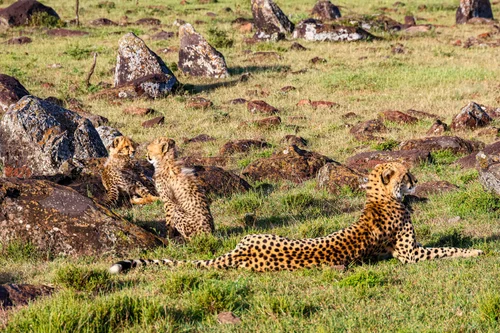
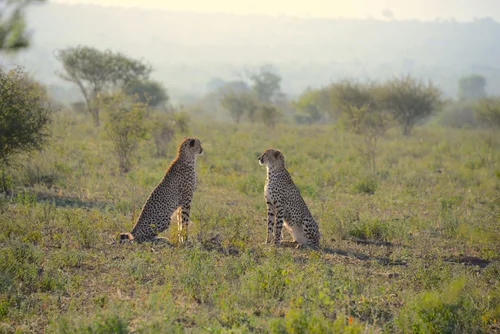
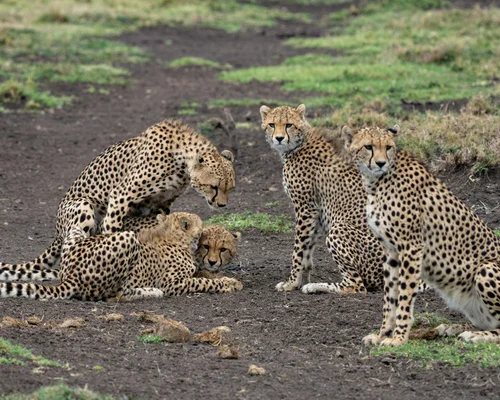
The Incredible Journey of Cheetah Cubs: Nature’s Battle for Survival

Home / Single Post

An intimate look into the hidden struggles of one of Africa’s most fragile young predators.

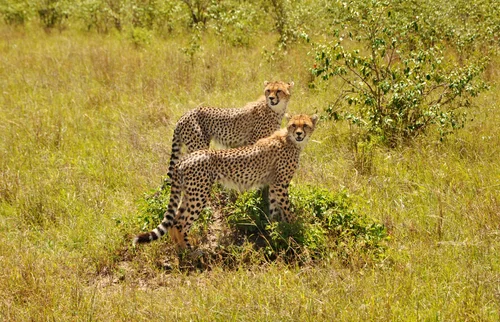
The African savannah may look peaceful from a distance—golden grass, sprawling horizons, and blue, endless skies. But beneath this beauty lies a world shaped by danger, competition, and instinct. Nowhere is this harsh reality felt more deeply than in the lives of cheetah cubs, the smallest and most vulnerable members of Africa’s predator family.

Born into a landscape ruled by lions, hyenas, and other fierce hunters, cheetah cubs must begin their fight for survival from the very moment they open their eyes. Their journey is one of courage, fragility, and incredible resilience.

Let’s explore the remarkable yet perilous world these young animals face.


Nature’s First Defense: A Camouflage Designed for Survival

Unlike adult cheetahs known for their unmatched speed, cheetah cubs enter the world weak, slow, and completely defenseless. Their survival depends on one extraordinary adaptation—camouflage.

Cheetah cubs are born with a mantle of long, grayish hair that runs from their neck to their tail. This fluffy coat serves two powerful purposes:

1. Blending into the grasslands

The soft gray fur resembles dry savannah grass, helping cubs remain hidden from predators while their mother hunts.

2. Mimicking the honey badger

The mantle gives the cubs a striking resemblance to the fearless honey badger—an animal so notoriously aggressive that even lions hesitate to approach it. This visual trick can buy the cubs precious moments and sometimes discourage predators from attacking.

Hidden in tall grasses or nestled under bushes, cheetah cubs spend their early weeks relying solely on this natural disguise.


A Mother’s Fight: Protecting Her Cubs at All Costs

Raising cheetah cubs is one of the hardest tasks in the animal kingdom. A mother cheetah must provide food while simultaneously defending her young from:

  • Lions

  • Hyenas

  • Leopards

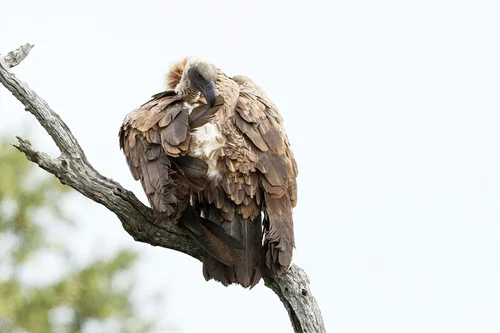
  • Large birds of prey

Lions and hyenas pose the greatest threat. They are known to kill cheetah cubs—not just for food, but to eliminate future competition. This makes a cheetah mother’s role both emotionally taxing and physically demanding.

She moves her cubs frequently—from one hiding place to another—to avoid detection. Every minute is a balance between hunting and protection. Every decision can mean the difference between life and death.

Her dedication and courage are nothing short of extraordinary.

The Harsh Reality: A Survival Rate That Breaks the Heart

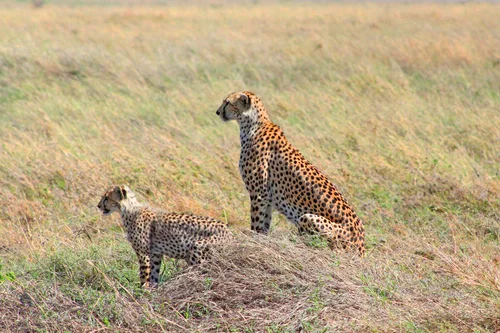
Cheetahs are built for speed and agility, but those traits develop slowly. In their early months, cubs depend entirely on their mother. Sadly, the survival rate is incredibly low.

Only around 10% of cheetah cubs reach adulthood.

Even though a cheetah may give birth to up to six cubs at once, she might raise only one or two to maturity in her lifetime. This staggering mortality rate is a result of constant predation and the unforgiving dynamics of the food chain.

It’s a sobering reminder of how fragile life can be on the savannah—even for one of nature’s most iconic predators.


Defying the Odds: The Remarkable Resilience of Cheetahs

Despite the overwhelming challenges, cheetahs continue to endure. Their story is one of strength and survival. For every cub that survives the gauntlet of predators, disease, and hunger, there is a future hunter—a symbol of the resilience that defines the African wild.

Those who make it grow into the world’s fastest land mammals, capable of breathtaking acceleration and unmatched grace. They become living proof that even in the harshest environments, life finds a way.

Watching a young cheetah rise from vulnerability to power is witnessing nature’s raw determination in motion.


Why This Story Matters

Cheetahs are among the most threatened big cats in Africa. Understanding their struggles helps us appreciate the delicate balance of ecosystems and the importance of wildlife conservation.
Their journey is more than a wildlife story—it’s a powerful reminder of nature’s beauty, vulnerability, and strength.